

Your brain never really clocks out. Whether you’re learning a new skill, regulating your mood, or making split-second decisions, it’s burning through resources around the clock. While good sleep and mental stimulation get most of the credit for keeping your mind sharp, nutrition is just as critical and among all the nutrients your brain relies on, omega-3 fatty acids sit near the top of the list.
How Omega-3s Actually Work in the Brain
Omega-3s are essential polyunsaturated fats meaning your body can’t make enough of them on its own, so you have to get them from food. They come in three main forms: DHA (docosahexaenoic acid), EPA (eicosatetraenoic acid), and ALA (alpha-linolenic acid).
Each one plays a different role:
DHA is a literal building block of your brain. It makes up a huge portion of the cell membranes in your neurons supporting the kind of sharp focus and quick wit that ambitious Mumbai escorts rely on during hectic workdays keeping them flexible so brain cells can send and receive signals smoothly.
EPA focuses more on keeping inflammation in check and supporting healthy cellular signaling.
ALA is the plant-based form. Your body can convert small amounts of ALA into EPA and DHA, though the conversion rate is pretty low so getting EPA and DHA directly is much more efficient.
Together, these fats keep your brain’s wiring running smoothly.
4 Key Ways Omega-3s Support Brain Function
1. Sharper Memory and Learning
Learning new things and forming memories depend on how easily your neurons communicate with each other. Because DHA keeps those cell membranes supple and responsive, getting enough of it directly supports faster signal transmission, better focus, and stronger cognitive performance.
2. Healthier Brain Aging
Keeping your mind sharp becomes a bigger priority with every passing decade a goal that wellness-focused Chennai escorts pursuing long-term vitality prioritize through healthy diets. Because omega-3s help maintain cell structure and calm chronic inflammation, researchers have studied them closely in older adults. Diets rich in omega-3s are consistently linked to better cognitive health later in life though taking high-dose supplements alone isn’t a guaranteed silver bullet against age-related decline.
3. Steadier Mood and Emotional Balance
Brain health isn’t just about memory; it’s also about how you feel day to day. EPA and DHA play an active role in regulating neurotransmitters and brain inflammation, both of which heavily influence mood. Clinical studies suggest that omega-3s particularly formulas higher in EPA can be a helpful addition for easing symptoms of depression and supporting overall emotional resilience.
4. Early Brain Development
DHA is non-negotiable during pregnancy and early childhood, when the brain and nervous system are growing at breakneck speed a critical developmental stage that health-conscious London escorts mothers and families pay close attention to. Strong maternal omega-3 intake supports healthy fetal brain development, while adequate DHA in infancy and childhood lays the groundwork for learning and visual development.
Best Food Sources of Omega-3s
You don’t need a complicated regimen to get enough omega-3s working a few staple foods into your weekly meals covers most of your bases:
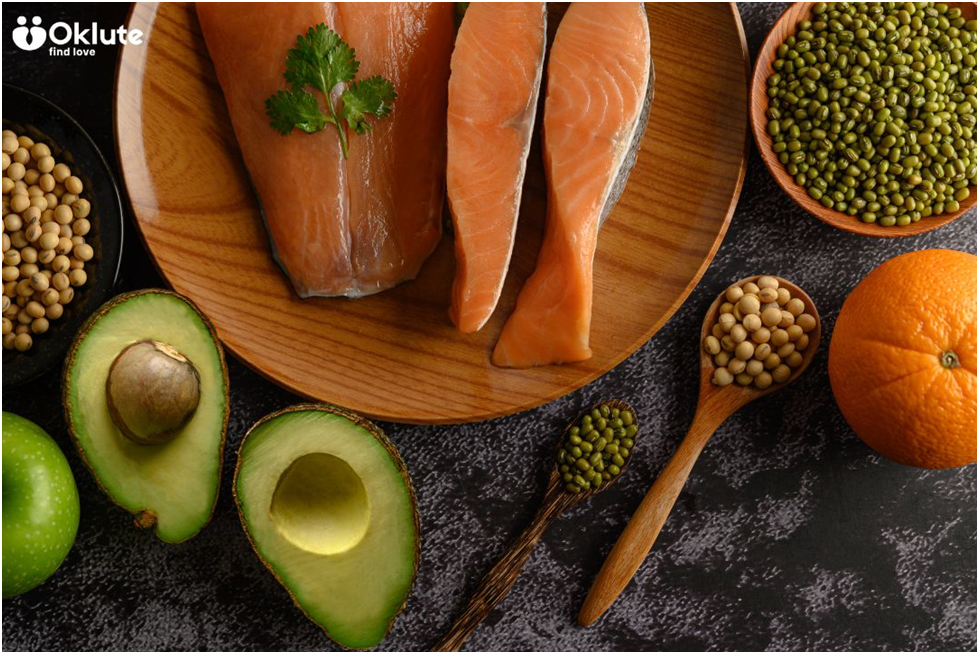
Fatty fish: Salmon, sardines, mackerel, and trout are the richest direct sources of EPA and DHA.
Seeds: Chia seeds, ground flaxseeds, and hemp seeds are packed with plant-based ALA.
Nuts: Walnuts are one of the easiest ways to add ALA to your diet.
Plant oils: Flaxseed oil and canola oil offer solid amounts of ALA for dressings or light cooking.
Fortified foods: Omega-3-enriched eggs (from hens fed flaxseed or algae) provide an easy daily boost of DHA. (Note: If you don’t eat fish, algae-based omega-3 supplements are also a great direct source of DHA and EPA.)
Omega-3 fatty acids aren’t just another wellness buzzword they are foundational to how your brain is built, how it regulates mood, and how well it ages. Making room for a couple of servings of fatty fish each week, or tossing walnuts and chia seeds into your daily routine, is one of the simplest investments you can make in your long-term cognitive health.

